
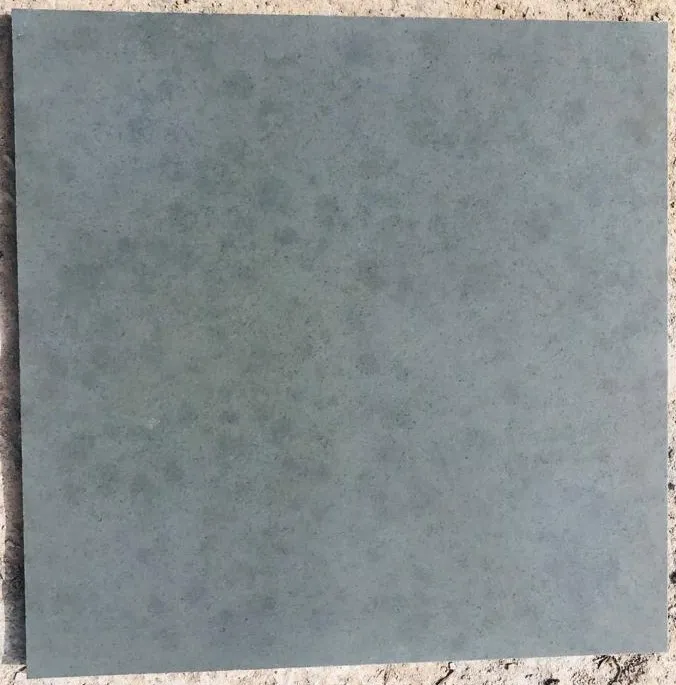
Polished Kota Stone
A glossy, reflective surface achieved by machine polishing — the classic indoor Kota floor.
Not every combination is always in stock. Thickness should be chosen with your engineer or contractor based on the base, installation method and loads.
Finish decides appearance, grip and maintenance. Polish indoors, texture outdoors.
A glossy, reflective surface achieved by machine polishing — the classic indoor Kota floor.
A high-gloss polish with strong reflection, used in premium interiors.
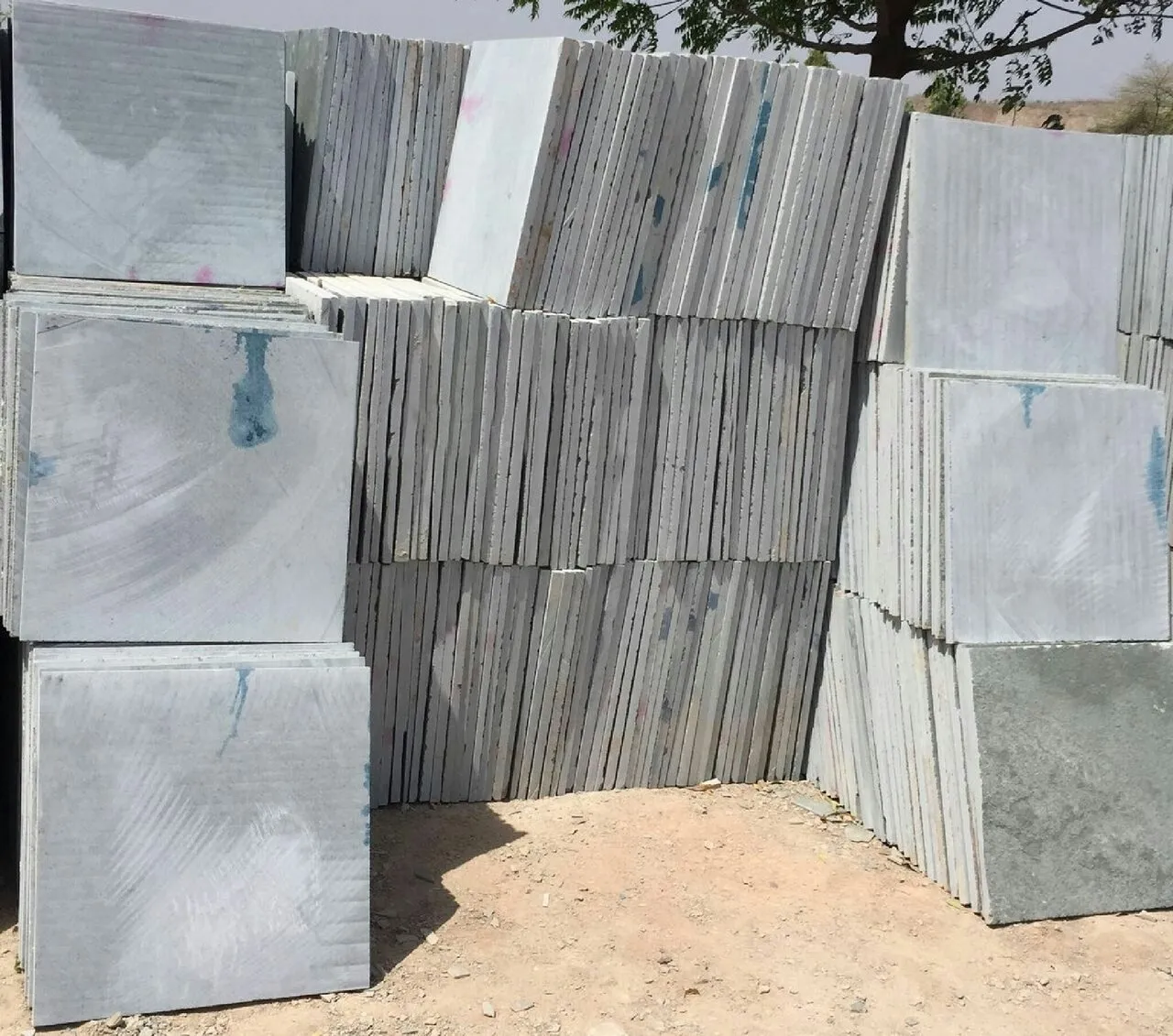
A medium sheen between natural and full polish — a balance of looks and grip.
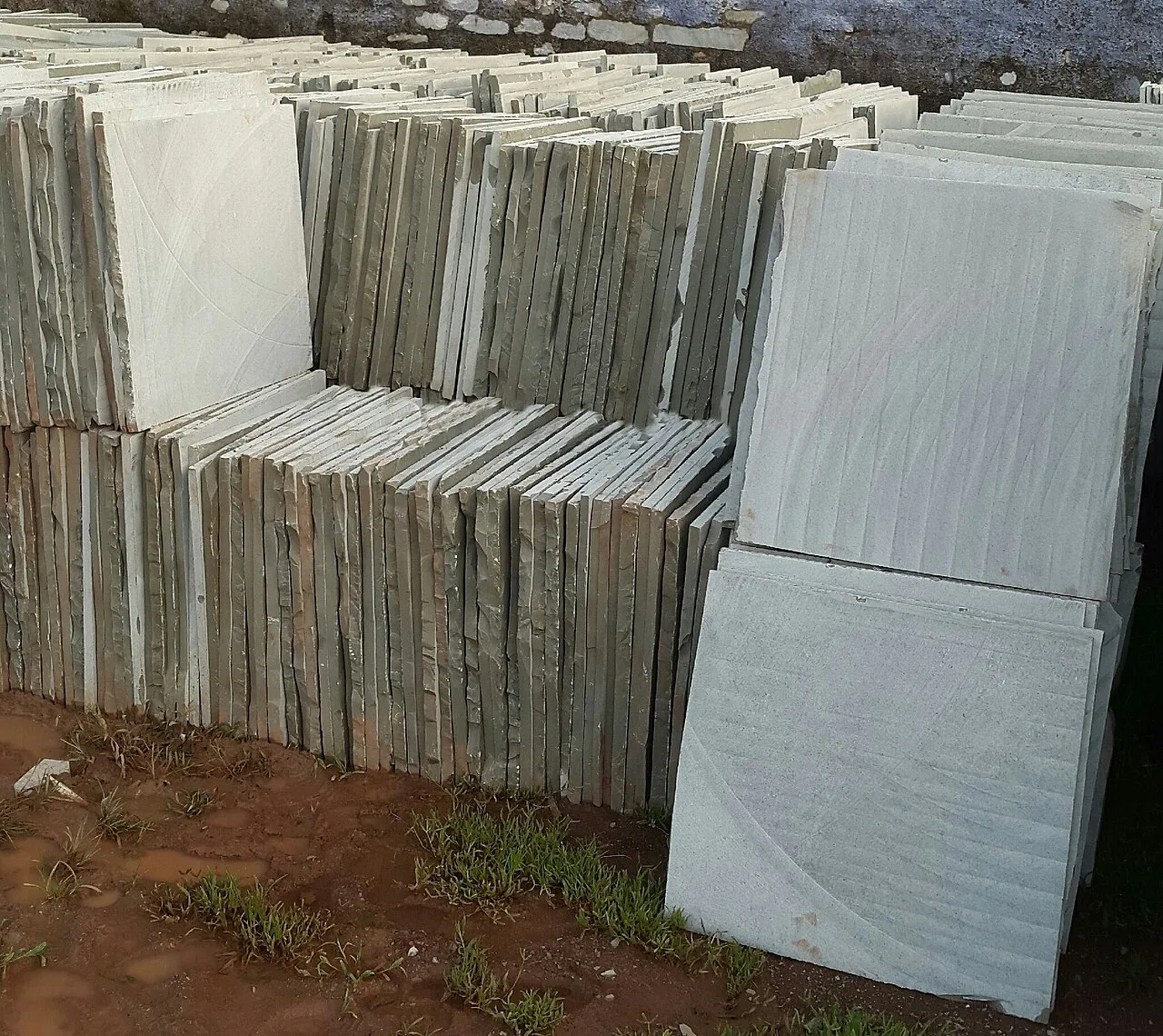
The stone with its natural cut surface and no polish — economical and grippy.
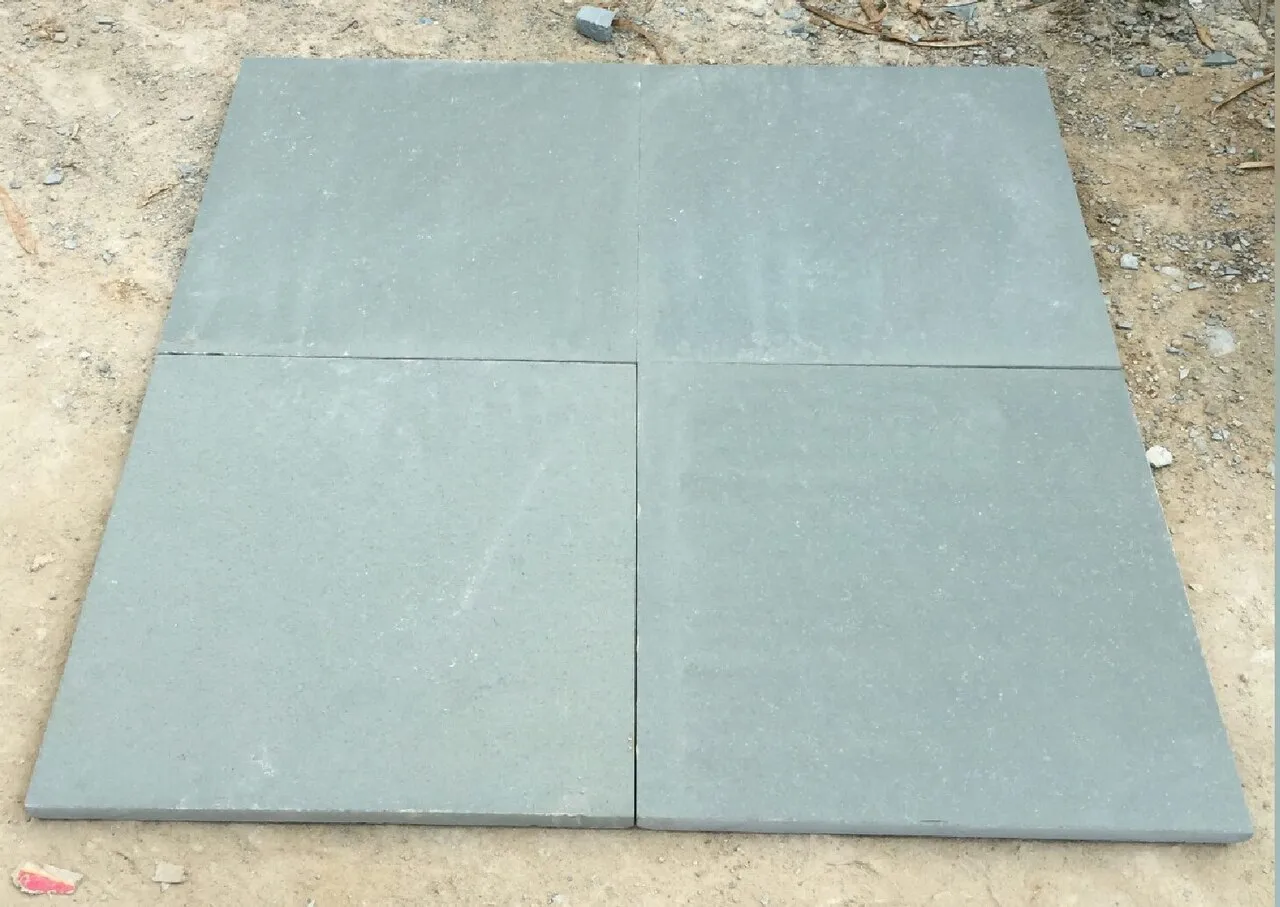
An unpolished, coarser surface with good slip resistance for exteriors.
A low-sheen look, similar to honed; trade names overlap.
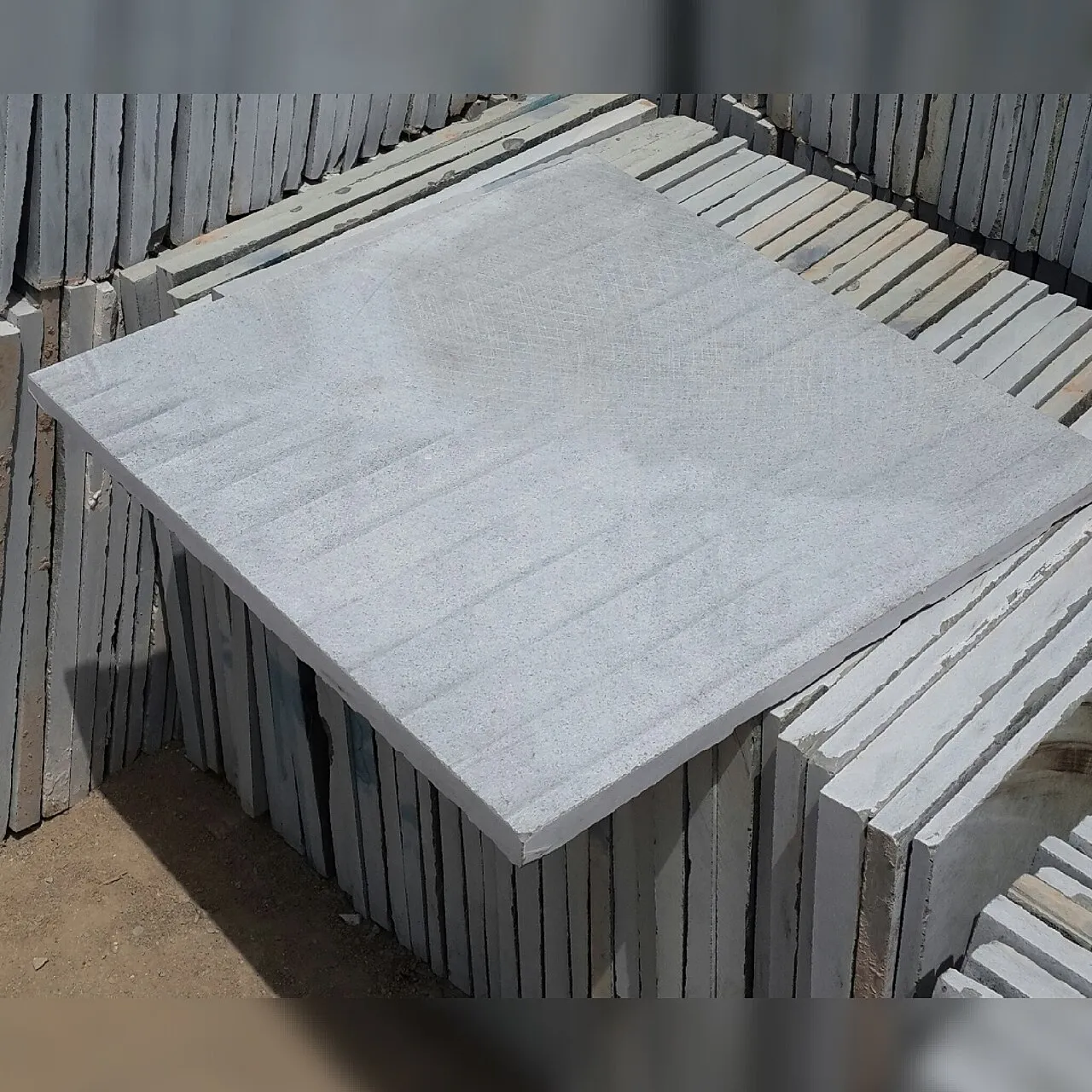
A brushed, softly textured surface with a subtle sheen. Availability is limited — confirm before ordering.
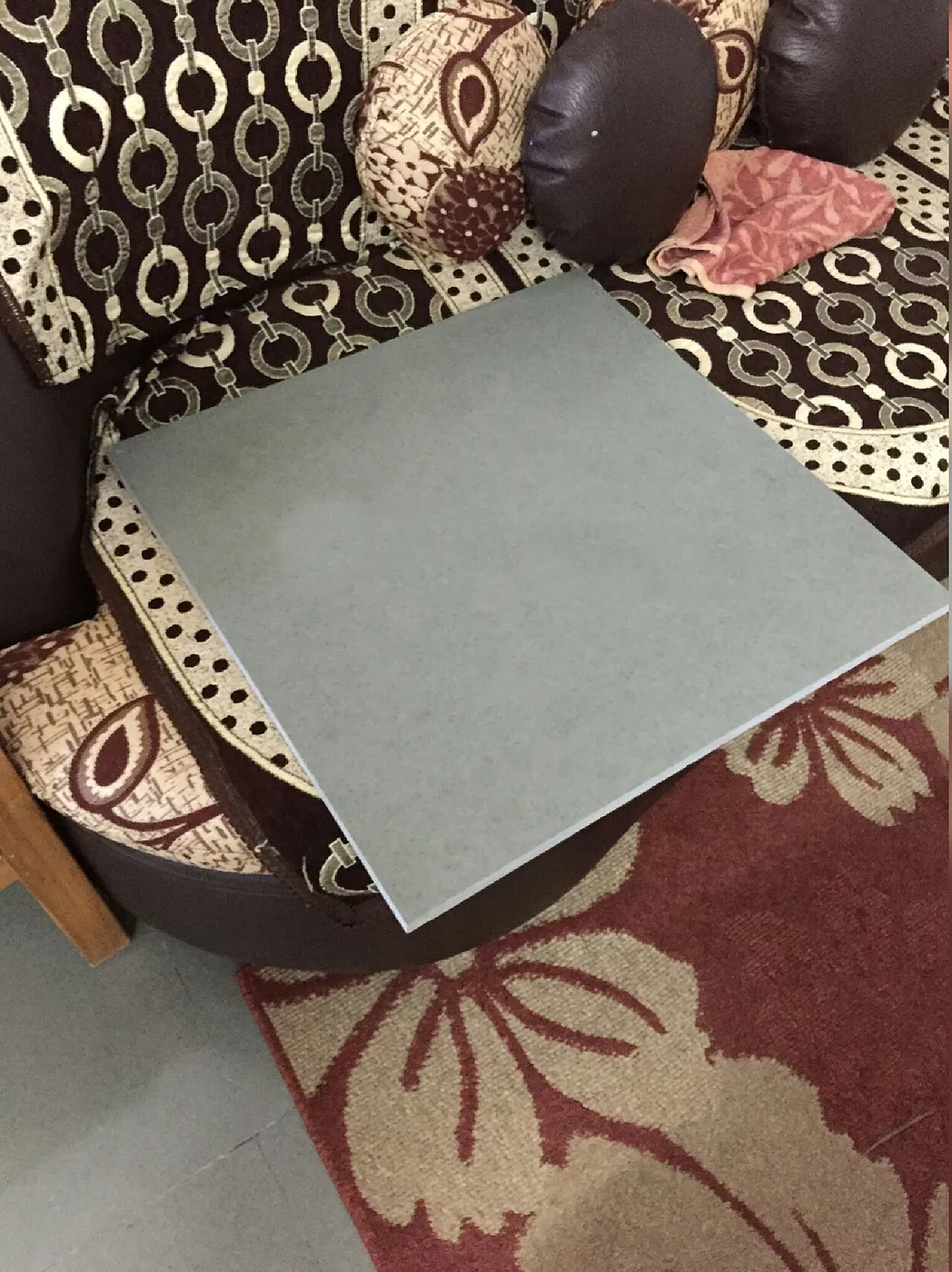
Slabs cut to precise sizes with straight edges for neat, tight joints.
Gauged to a uniform thickness so tiles can be laid level with less mortar adjustment.
Surface left as it comes off the saw, with faint saw marks; often polished after laying.
Surfaces treated (e.g. by flaming, brushing or grooving) for grip and visual texture. Availability varies.
Rough or grooved surface prepared for slip resistance in wet and sloped areas.
Traditional chisel-dressed surface or edges, used for a rustic, handcrafted look. Made to order.
Cut tiles save site work; random slabs cost less per sq ft.
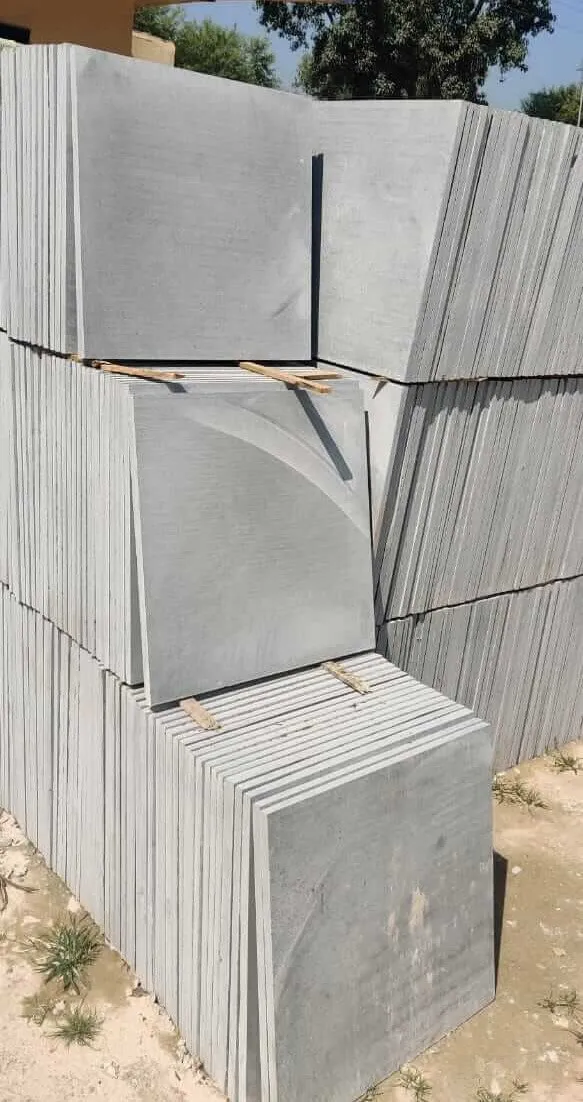
A small square tile, easy to handle and suited to compact rooms.
A traditional square size widely used in Indian homes.
A popular modern size giving fewer joints in large rooms.
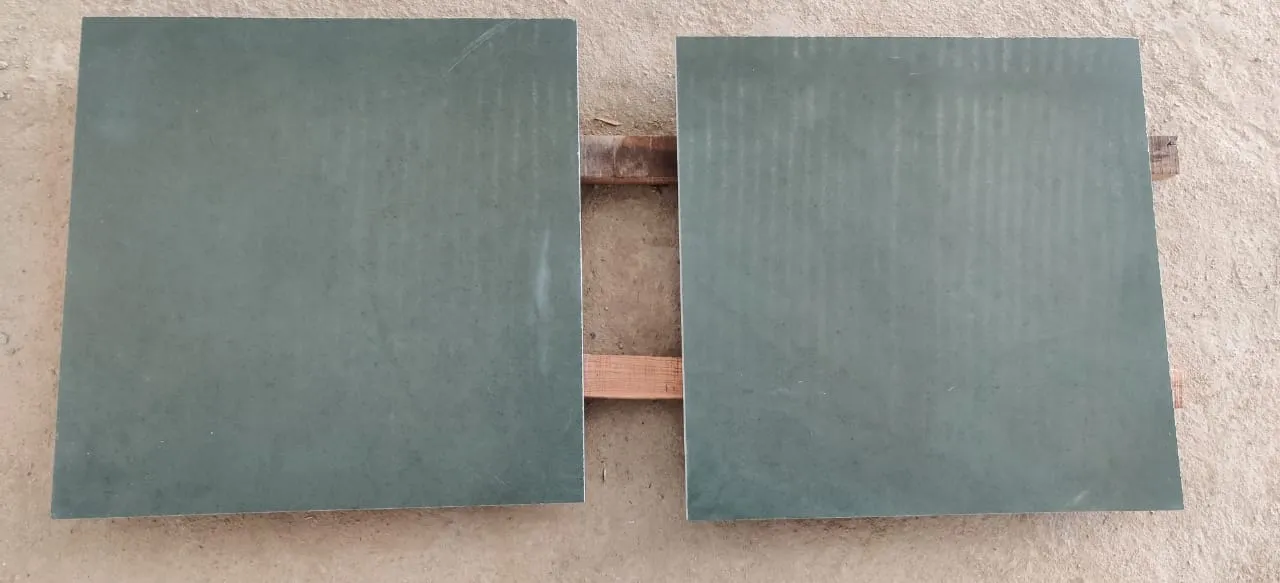
A rectangular plank-like format for corridors and steps.
A rectangular size used in floors and patterns.
A large rectangular cut for big halls and outdoor paving.
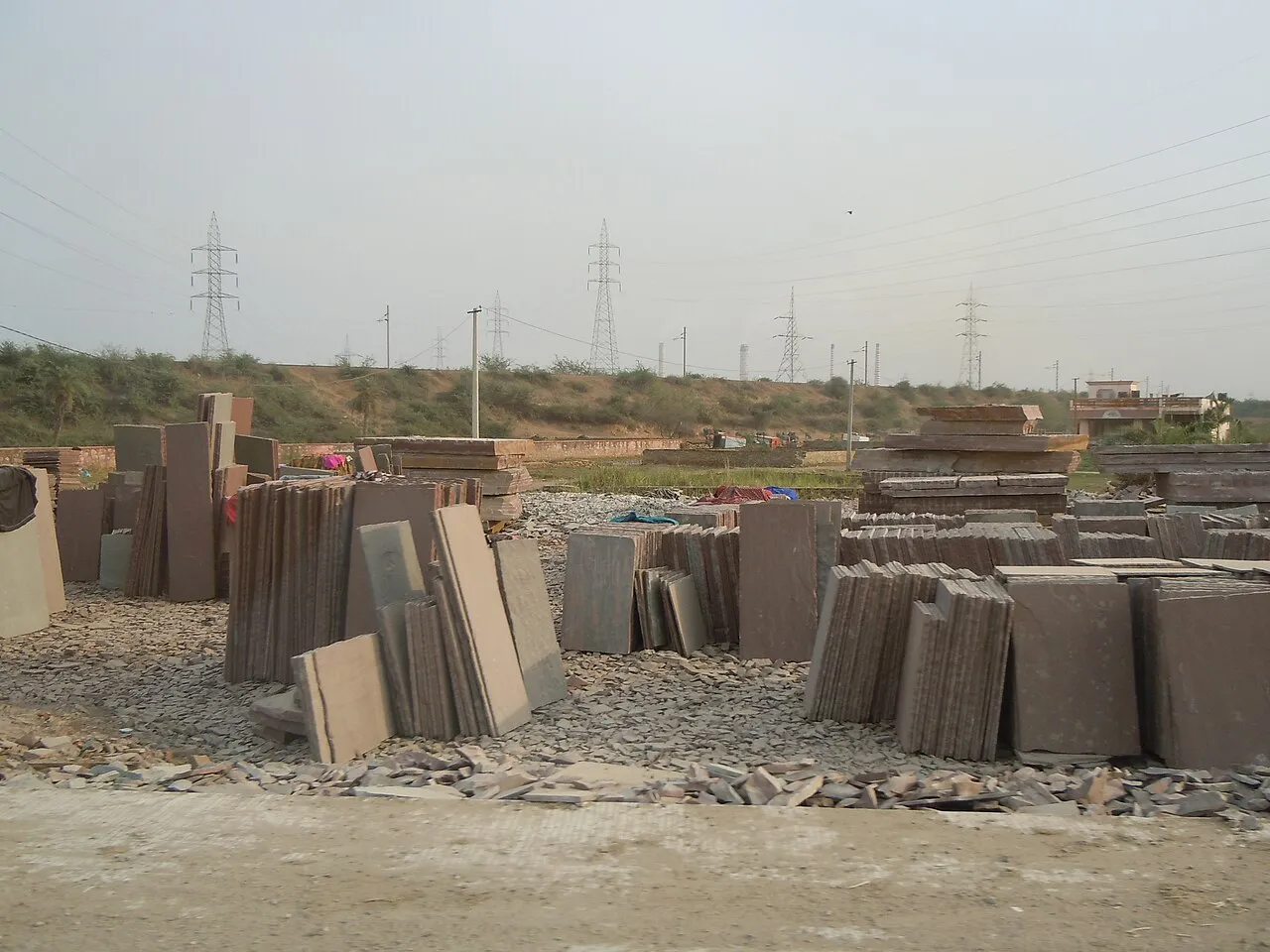
Large uncut or random-size slabs, cut on site or at a processing unit.
Cut to your drawing for steps, sills, counters and special layouts.
Factory-cut Kota in standard tile sizes, ready for laying.
Thicker stone for heavier loads, steps and outdoor use.
Thin stone for light-duty interiors and cladding where weight matters.
A sturdy option for homes, offices and moderate traffic.
Thicker stone for commercial, outdoor and heavier loads.
Thickness made to order for steps, treads, counters and special uses.
With Kota stone, the same colour can perform very differently depending on how it is cut and finished. A 25 mm polished 2×2 ft tile is a very different product from a 30 mm rough random slab, even if both come from the same quarry bed. This guide explains each choice so you can match the stone to the area, the load it will carry and the look you want.
Square sizes such as 16×16, 18×18, 20×20, 22×22 and 24×24 inches are common for rooms and corridors. Smaller squares suit small rooms and older homes and are easier to handle; larger squares give fewer joints and a more open look. 24×24 inches is often called 2×2 ft and is one of the most requested formats for homes and offices.
Rectangular formats such as 24×12, 24×18 inches and 4×2 ft work well for long corridors, verandahs and outdoor paths, and can be laid in staggered or herringbone patterns. Large 4×2 ft pieces need careful handling and a well-prepared base to avoid breakage.
Random or uncut slabs come in irregular dimensions and are cut at site. They are usually cheaper per square foot and allow the installer to make large pieces fit large rooms, but wastage and labour are higher. Cut tiles arrive in exact sizes, are faster to lay and give neat, uniform joints. For big public areas, contractors often prefer cut sizes for speed; for budget projects with skilled local masons, random slabs can be economical.
Kota stone is commonly supplied from about 15 mm up to 40 mm, with custom thickness possible on request depending on availability. As a general guide:
Thickness alone does not make a floor strong; the base matters more. A thin slab on a well-compacted, level concrete base can outperform a thick slab on a weak or uneven base. For vehicle areas and industrial floors, the base, bedding mortar and joint design should be decided by your engineer. Calibrated stone, which has uniform thickness, makes levelling easier and is useful when stone is fixed with adhesive rather than a thick mortar bed.
Polished and mirror-polished finishes give a glossy surface that highlights colour and is easy to mop; they are best for dry interiors. Semi-polished and honed finishes have a softer sheen and slightly more grip. Matte finishes reduce glare. Natural and sawn finishes are the stone as split or cut, with good grip. Rough and hand-dressed finishes are coarser and suit outdoor and industrial use. Textured, leather and anti-skid finishes are mechanically treated surfaces designed to stay grippy when wet.
Remember that polished stone becomes slippery with water, oil or dust. For stairs, ramps, entrances, bathrooms, pool surrounds and terraces, use a textured or anti-skid finish, or add anti-skid grooves to step nosings.
Polished surfaces lose shine over time in heavy-traffic areas and can be re-polished by a floor polishing contractor. Natural and rough surfaces hide wear well but can hold dirt, so periodic scrubbing helps. All finishes should be cleaned with neutral, non-acidic cleaners, because acids etch limestone. Sealing can help reduce staining in kitchens and dining areas.
Not every size, thickness and finish combination is always in stock. Before finalising drawings, call or WhatsApp +91 7976482131 with the area, size, thickness and finish you want, and we will confirm what is currently available and discuss the price.
Ask about current availability.